Skip to content

Cart

Your cart is empty

Continue shopping

Featured products

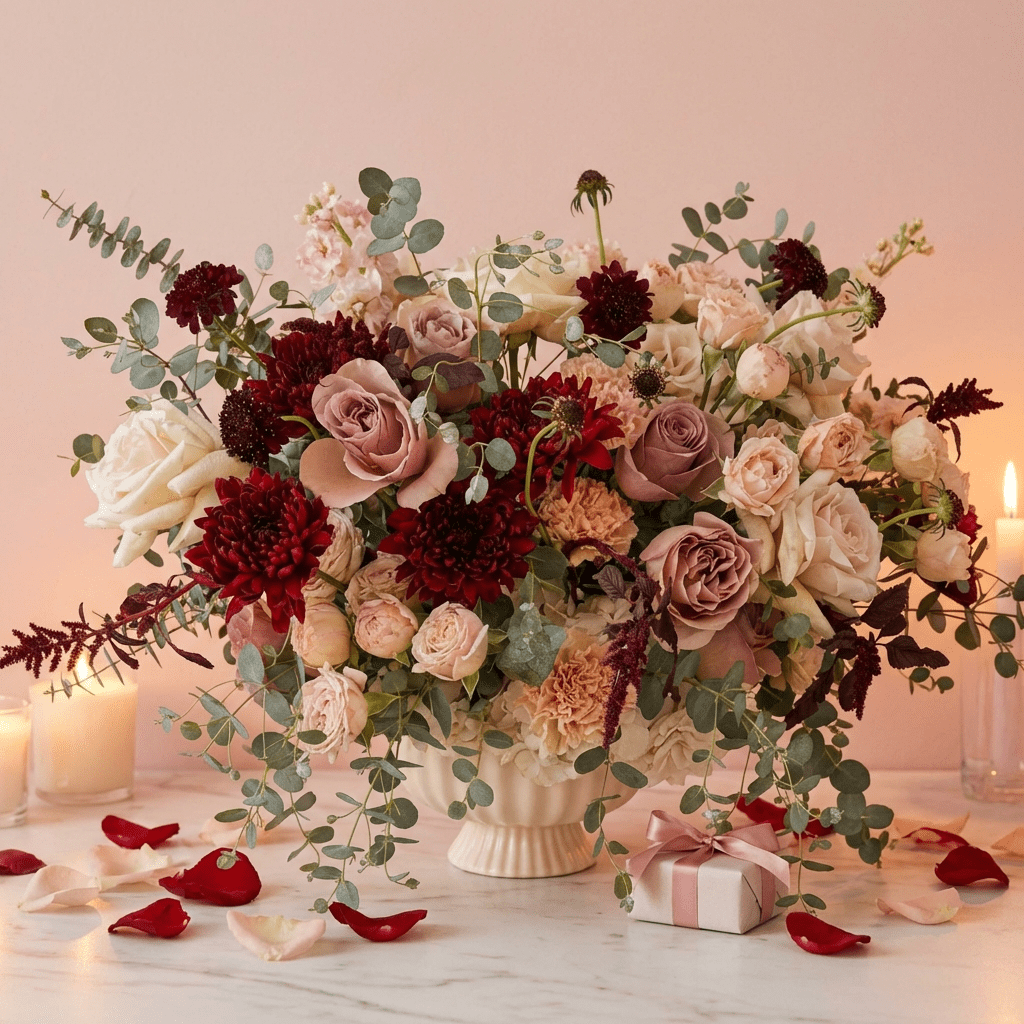
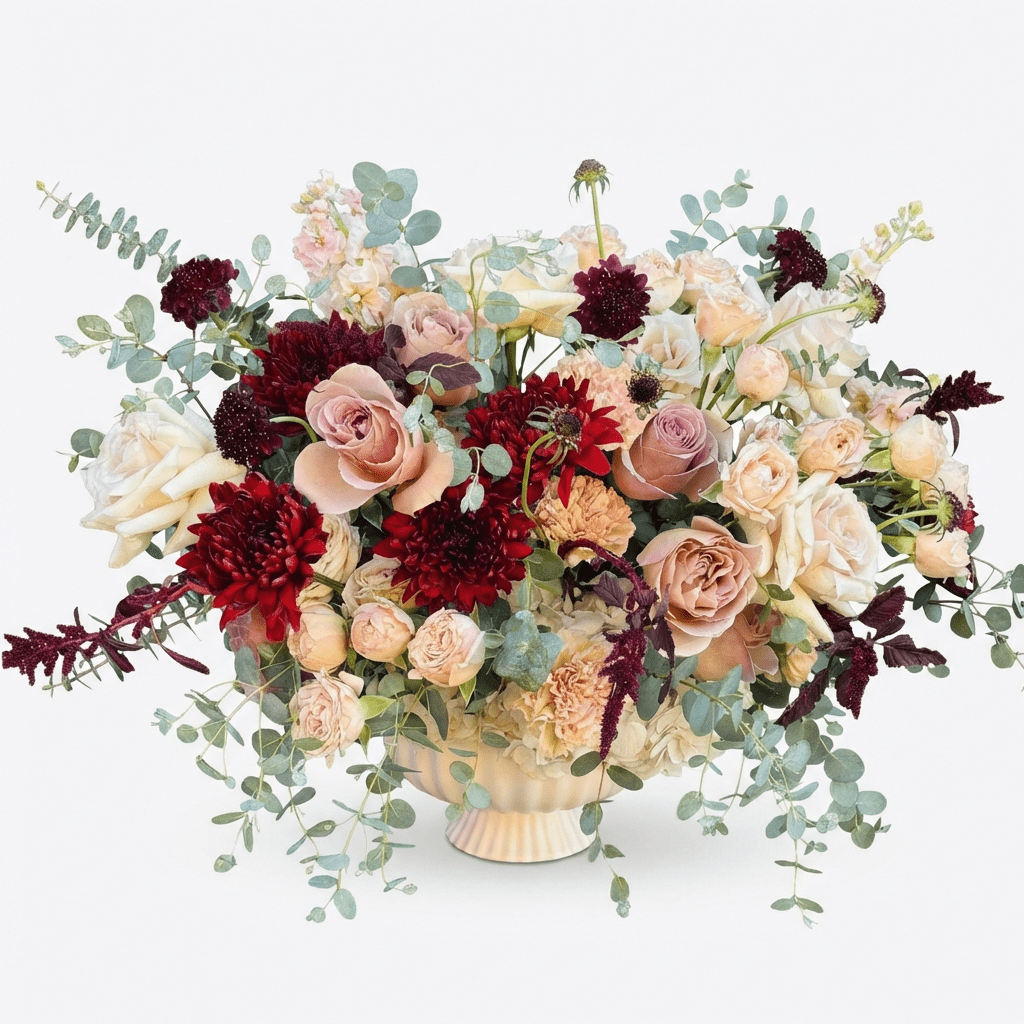
The Rene arrangement in romantic Valentine's Day settingThe Rene - Dusty Rose and Burgundy Flower Arrangement by Bloom Boom
Sale price$425.00
Valentine's Day 2026: I Love New YorkValentine's Day 2026: I Love New York
The Grand Ruby (Valentine's Day)The Grand Ruby (Valentine's Day)
Vibrant marigold garlands adorning a Hindu wedding mandap, symbolizing auspicious beginnings and prosperity.

Hindu Wedding Flower Traditions: A Corporate Planner's Guide

Understanding Hindu Wedding Flower Traditions

Namaste, Planner Pat! As a seasoned event planner, you understand that successful events are rooted in cultural understanding. Hindu weddings, with their vibrant colors, intricate rituals, and deep symbolism, are no exception. Flowers play a central role in these celebrations, representing purity, prosperity, and auspicious beginnings. Understanding the significance of different blooms will help you create a truly unforgettable and culturally sensitive event for your clients.

Hindu weddings are often multi-day affairs, filled with various ceremonies like the Mehndi, Sangeet, Haldi, and the wedding ceremony itself. Each event may call for specific floral arrangements and decorations. From elaborate mandap décor to delicate garlands, flowers are integral to setting the tone and conveying the appropriate sentiments.

Key Flowers and Their Significance

Choosing the right flowers is paramount. Here are a few staples often found at Hindu weddings, along with their meanings:

Marigolds (Genda)

Perhaps the most iconic flower in Hindu weddings, marigolds represent auspiciousness and new beginnings. Their vibrant yellow and orange hues are considered highly sacred and are believed to attract positive energy. Marigolds are used extensively in garlands, backdrops, and entrance decorations. Their bright color adds a festive touch and symbolizes the sun, representing vitality and energy.

Roses (Gulab)

While roses are universally recognized as symbols of love and beauty, they hold a special place in Hindu weddings as well. Red roses signify passion and commitment, while pink roses represent gratitude and admiration. Roses are often incorporated into bouquets, centerpieces, and scattered as petals during the wedding ceremony to shower the couple with blessings.

Lotus (Kamal)

The lotus flower holds immense spiritual significance in Hinduism, representing purity, enlightenment, and rebirth. It is often associated with deities and is considered a symbol of divine beauty. Lotus flowers are used sparingly but strategically, often adorning the mandap or placed near sacred objects to invoke blessings and create a serene atmosphere.

Jasmine (Chameli)

With its intoxicating fragrance and delicate white petals, jasmine symbolizes love, sensuality, and purity. It is often used in hair adornments for the bride and in garlands exchanged between the couple. The sweet scent of jasmine is believed to create a romantic and harmonious atmosphere, enhancing the overall sensory experience of the wedding.

Chrysanthemums (Guldaudi)

Chrysanthemums represent optimism and longevity. While not as traditional as marigolds or roses, they are gaining popularity in modern Hindu weddings due to their versatility and wide range of colors. They can be used to complement the overall color scheme of the wedding and add a touch of elegance and sophistication.

Understanding these floral symbols will allow you to create beautiful and meaningful arrangements that enhance the spiritual and aesthetic value of the wedding. Now, let's take a closer look at specific applications and how to incorporate these flowers effectively into your designs.

Share

Hindu Wedding Flower Guide

Key Blooms and Their Meanings

🌼

Marigold (Genda)

Most Popular

Auspicious, bright, and represents new beginnings. Perfect for garlands and backdrops.

🌹

Rose (Gulab)

Classic

Symbolizes love and beauty. Red roses for passion, pink for gratitude. Great for bouquets and centerpieces.

🌸

Lotus (Kamal)

Sacred

Represents purity and enlightenment. Use sparingly near sacred objects or in the mandap.

🌿

Jasmine (Chameli)

Fragrant

Symbolizes love and sensuality with an intoxicating fragrance. Ideal for hair adornments and garlands.

🌼

Chrysanthemum (Guldaudi)

Versatile

Represents optimism and longevity. Wide color range for complementing any wedding theme.

Plan Your Hindu Wedding Flowers

Let Bloom Boom's expert florists bring your vision to life.

Plan Your Event →

Additional Tips for Hindu Wedding Floral Design

Beyond selecting the right flowers, there are several other factors to consider when planning floral arrangements for a Hindu wedding:

  • Color Palette: Hindu weddings are known for their vibrant colors. Coordinate your floral arrangements with the overall color scheme of the wedding. Reds, oranges, yellows, pinks, and golds are all popular choices.
  • Fragrance: Be mindful of the fragrance of the flowers you choose. Strong scents can be overwhelming, especially in enclosed spaces. Opt for flowers with subtle and pleasing aromas, such as jasmine or roses.
  • Seasonality: Consider the time of year and choose flowers that are in season. This will ensure the best quality and availability, and it can also help you stay within budget.
  • Mandap Décor: The mandap, or wedding altar, is the focal point of the wedding ceremony. Decorate it lavishly with flowers, using garlands, drapes, and floral arrangements to create a stunning backdrop.
  • Garlands (Varmala): The exchange of garlands is a significant ritual in Hindu weddings. Create custom garlands using a combination of flowers, beads, and other decorative elements. Ensure the garlands are comfortable for the couple to wear.

Flower Care and Timing

To ensure your floral arrangements look their best throughout the wedding festivities, pay attention to proper care and timing:

  • Order in Advance: Book your florist well in advance, especially during peak wedding season. This will give you ample time to discuss your vision and secure the best selection of flowers.
  • Proper Storage: Store flowers in a cool, dark place until they are needed. Keep them hydrated by placing them in water or using floral foam.
  • Delivery Schedule: Coordinate the delivery of flowers strategically to ensure they are fresh and vibrant for each event. Work with your florist to create a detailed delivery schedule.

Consider Chuppah Flowers and Traditions for alternative wedding ceremonial design options. You might also benefit from reading Wedding Altar Flowers: A Planner's Expert Design Guide.

Let Bloom Boom Help You Create a Blooming Masterpiece

Planning a Hindu wedding requires meticulous attention to detail and a deep understanding of cultural traditions. By choosing the right flowers and incorporating them thoughtfully into your designs, you can create a truly magical and memorable event for your clients. Bloom Boom's expert team is ready to collaborate with you to curate bespoke floral designs that honor tradition and celebrate your clients' unique vision. We understand the complexities of large-scale events and offer volume pricing and guaranteed on-time delivery.

Ready to elevate your event planning with exquisite floral artistry? Corporate Holiday Flowers at Scale: A Planner's Guide might also be useful as a reference!

Let's bring your client's dream wedding to life with the beauty and symbolism of flowers.

Pro Tip

Pro Tip: When creating floral arrangements for a Hindu wedding, consider using locally sourced flowers to support local growers and reduce your carbon footprint. This also adds a unique touch to the event and showcases the beauty of the region.
Ready to Order?

Shop our curated selection of fresh blooms for this occasion.

Plan Your Event